




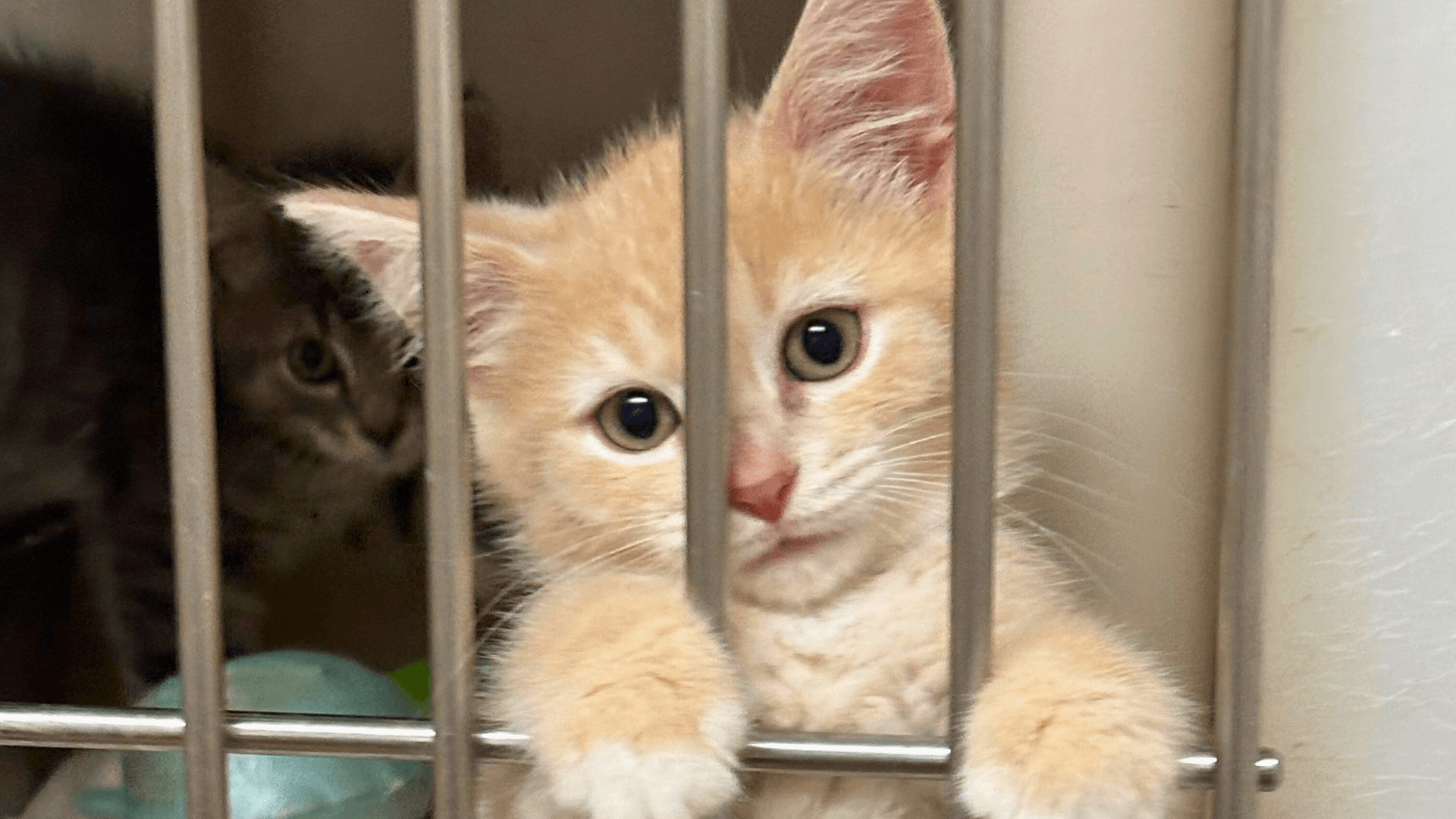
Tiny Lives, Tremendous Need: The Reality of Kitten Season
Every spring, it begins.
The calls start coming in—sometimes a handful, sometimes dozens. A litter discovered beneath a porch. A lone kitten found crying in a parking lot. A concerned resident unsure whether the kittens they found are abandoned or simply waiting for their mother to return.
At the Erie Humane Society, kitten season is one of the busiest and most demanding times of the year. Between April and October, we receive an average of 10 calls every day from community members seeking shelter, medical care, or guidance for kittens in need.
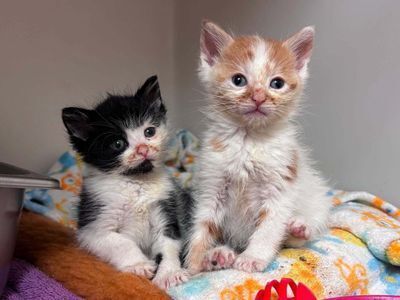
Among this year's arrivals were two tiny siblings found by a Good Samaritan along Peninsula Drive. The pair, now named Star and Pancake Waffle, were in rough shape when they arrived. Sick, fragile, and far too young to fend for themselves, their future was uncertain.
Despite receiving care, proper nutrition, and medical treatment, there were moments when we weren't sure they would survive.
But Star and Pancake Waffle had other plans.
Day by day, they began to grow stronger. Their appetites improved. Their playful personalities emerged. What started as a fight for survival has become a story of resilience and hope. Today, these determined siblings are thriving and focusing on their most important job yet—growing big enough to begin the next chapter of their lives with loving families of their own.
While their story has a happy trajectory, it also reflects a much larger challenge.
The Importance of Spaying and Neutering
Because cats are considered free-roaming animals, many outdoor cats remain unaltered. As a result, shelters across the country experience a dramatic increase in kitten intakes during the warmer months. A single unspayed female cat can produce multiple litters each year, quickly contributing to an overwhelming number of homeless kittens needing care.
For shelters like ours, that means stretched resources, full kennels, increased medical expenses, and a constant need for support.
The good news? There are many ways our community can help.
Ways to Help
Adopt. When you adopt a shelter pet, you're saving two lives—the animal you're welcoming into your family and the homeless pet who can take their place in our care.
Donate. Monetary contributions help provide essential veterinary care, medications, diagnostics, and treatments for vulnerable kittens who often arrive sick, injured, or requiring intensive support.
Give Supplies. During kitten season, our shelves empty quickly. Kitten-specific canned food is especially important, providing the extra nutrition growing kittens need to thrive. Check out our wish lists -- shop and ship directly to EHS!
Foster. Opening your home to kittens, even temporarily, helps protect their developing immune systems, provides critical socialization opportunities, and frees up valuable shelter space for other animals in need.
- Spay and Neuter. One of the most effective ways to reduce pet overpopulation is ensuring owned cats are spayed or neutered. In addition to important health and behavioral benefits, these procedures help prevent thousands of unwanted litters from entering shelters every year.
What to Do if You Find Kittens Outdoors
If you happen to find kittens outdoors, remember: they aren't always abandoned. In many cases, a mother cat may be nearby gathering food or waiting for a safe moment to return. Well-intentioned intervention can sometimes do more harm than good.
If you find kittens outside:
- Observe from a distance. Mom cats often leave their kittens for several hours while searching for food.
- Keep pets and people away from the area.
- If the kittens appear clean, quiet, and content, monitor them from a safe distance for several hours to see if mom returns.
Contact a shelter, rescue, or veterinarian immediately if:
- The kittens appear injured or sick
- They are cold, weak, or crying continuously
- You know their mother has been injured or killed
- The kittens are in immediate danger
The best place for newborn kittens is with their mother. Removing them too soon can reduce their chances of survival and create an overwhelming need for bottle-feeding foster homes.
Not sure what to do? Give us a call, at 814-835-8331, before intervening. We're happy to help assess the situation and determine the best course of action for the kittens and their mom. For more information, you can also check out this article from Best Friends Animal Society.
Star and Pancake Waffle are proof that with compassion, medical care, and community support, even the smallest patients can overcome incredible odds. But their success story is only possible because people like you choose to help.
Kitten season may bring tremendous challenges, but together, we can ensure every kitten has the opportunity to grow, heal, and find the loving home they deserve.