

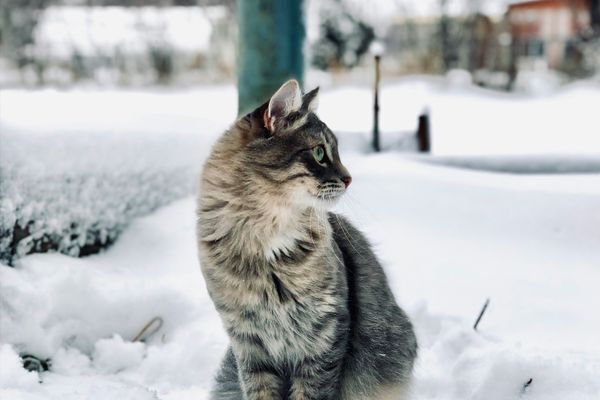
Cat outdoors in winter

Blog Pages

When Outdoor Cats Need Help

When Outdoor Cats Need Help

How to Support Community Cats in Winter — and Recognize When It’s Time to Step In

WARNING:  GRAPHIC IMAGES INCLUDED BELOW

Winter in Erie can be unforgiving, especially for the community cats who spend their lives outdoors. Many of these cats are accustomed to living outside in all types of weather. They know where to find shelter, how to navigate their surroundings, and how to survive with limited resources. While some outdoor cats can thrive with minimal intervention, others—particularly seniors, kittens, or cats battling illness or injury—are far more vulnerable when temperatures drop.

Recently, our team at the Erie Humane Society encountered one of those vulnerable cats, 6-year-old Olive: a fragile, severely ill girl who came to us skin and bone, dehydrated, battling a raging upper respiratory infection, and showing signs of frostbite. She was a true “hot mess,” but she is now safe, warm, and receiving round-the-clock care. Her recovery will take time, but even in her short stay with us, she has already begun making small, hopeful steps forward.

Her story is a reminder that while many cats can manage outdoor life, some desperately need human intervention—especially in harsh weather.

Shelters Are Full Everywhere: Why Community Support Matters More Than Ever

Across the country, shelters are facing a crisis of capacity. The need for safe housing and medical care far exceeds the resources and space available. This means that not every outdoor cat can—or should—be brought to a shelter. Many are better off remaining in their outdoor environment, where they feel secure and can live comfortably with the support of caring community members.

But when an outdoor cat is sick, injured, or showing signs of distress, the community plays a critical role in recognizing when it’s time to take action.

How You Can Help

Even small acts of kindness can make an enormous difference for outdoor cats facing harsh winter conditions. Here are ways the community can help:

1. Provide Outdoor Winter Shelters

A simple insulated shelter can be a lifesaver during freezing temperatures. You can build a DIY outdoor cat shelter for under $50—using materials such as plastic storage bins, Styrofoam insulation, and straw. We have a demonstration linked on our website that walks you through the process step-by-step.

2. Offer Food and Fresh (Unfrozen) Water

Cats burn more calories staying warm in the winter. Providing regular meals and checking water sources to ensure they aren’t frozen helps them stay healthy and hydrated. Try a heated water bowl to avoid freezing water.

3. Use Straw, Not Blankets

Straw repels moisture and insulates well. Blankets and towels can freeze and make a cold cat colder.

4. Keep an Eye Out for Signs of Distress

Even experienced outdoor cats can become sick or injured. Watch for:

  • Difficulty breathing or persistent nasal/eye discharge
  • Lethargy or disorientation
  • Shivering or signs of hypothermia
  • Visible wounds or frostbite (often seen on ears, tail, or paws)
  • Extreme weight loss or inability to stand

If you notice any of these symptoms, it’s time to get help. Call the Erie Humane Society at 814-835-8331 for guidance. We will do everything in our capacity to provide care for sick and injured stray pets.

This is exactly what happened with Olive. Her condition made it clear, to the good Samaritan that found her, that she could not survive another night outdoors. She needed urgent medical attention, warmth, and supportive care—and because someone recognized the signs and acted, she is now on the road to healing.

Build a Cold Weather Cat Shelter

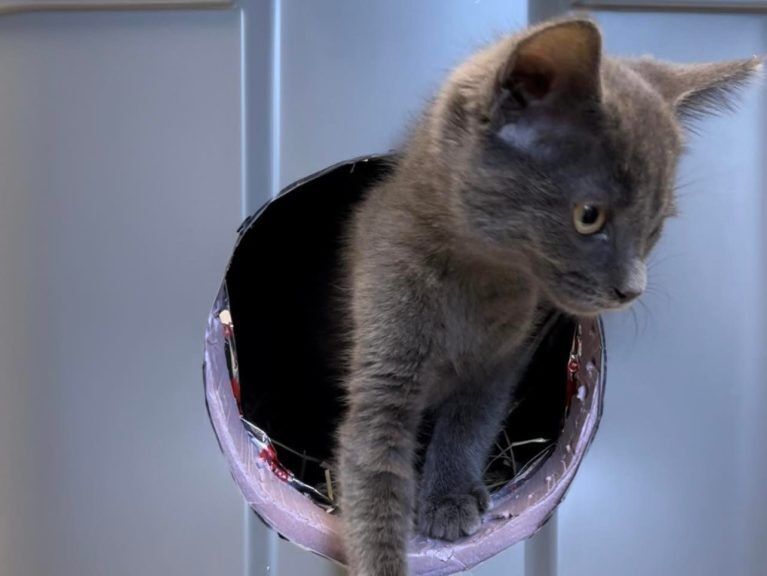
Cat in a DIY cold weather shelter

The Erie Humane Society and other shelters, not only in our region, but across the country are struggling to keep up with the demand of caring for homeless animals, especially stray cats. As the temperatures begin to cool down and winter weather is on the horizon, it poses a challenge for a shelter's ability to accommodate the increased demand for intakes due to lack of kennel space.

The Erie Humane Society manages our admissions as part of our no-kill mission. Therefore, we are unable to intake a pet when our kennels are full. EHS schedules cat admissions and maintains a waiting list so that as pets get adopted, we can intake more.

There are several ways our community can aid stray cats during the cold-weather months, until a kennel opens up in the shelter. One way is to construct a simple cold weather shelter. We got this idea from Alley Cat Advocates and invite you to build one along with us!

Please remember, if you encounter a cat in need of emergency medical attention, please call us at 814-835-8331. In the meantime, help EHS help homeless animals in need by providing stray cats a safe place to stay warm.

Check out our TikTok tutorial and download the complete instructions and information below.

The Greatest Gifts Can't Be Wrapped

This holiday season, give the gift of a second chance to a homeless pet.

  • Report Animal Cruelty
    If you witness or suspect an act of cruelty against an animal call 814-881-0220.
    All complaints are held in strict confidence and all callers are anonymous.
    Learn More

MENU CLOSE